How to Teach Current Affairs to Primary School Kids in Singapore
Practical, parent-friendly tips for making the news fun and accessible for Primary 3 to 6 children, without turning it into another homework session.
Start With One Story, Not a News Round-Up
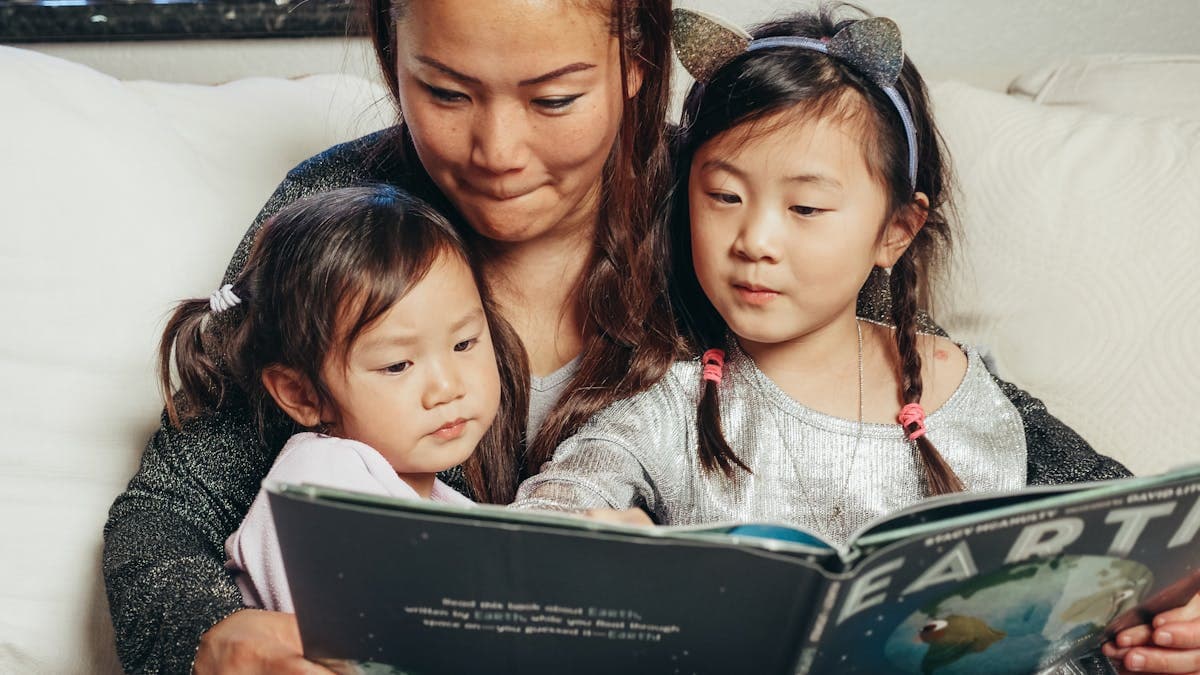
To introduce current affairs to a Primary 3–6 child, choose one short, age-appropriate story, read it together and ask your child to explain what happened. A familiar topic such as sport, transport, animals or the environment can be an easier starting point than a broad news bulletin.
You do not need to turn the conversation into a test. The aim of this suggested routine is to practise understanding a story, asking questions and expressing an idea. It is not a promise of better exam results.
A Ten-Minute Reading Routine
Use these timings as a starting point. Slow down, stop or come back later if your child needs more time.
- Choose and preview (two minutes). Read the headline and look at the pictures. Ask what your child expects the story to be about. Check the publication date, especially when using an older sample.
- Read together (four minutes). Follow the story in order. Pause for unfamiliar names, places or words. With a comic, ask which panel explains each part of the event.
- Retell (two minutes). Ask: who was involved, what happened and where? Invite a one-sentence summary, then return to the story to check it.
- Discuss (two minutes). Ask one open question: why might this matter, or what would you want to find out next? It is fine for both of you to say you do not know.
Three Questions You Can Reuse
- What does the story actually tell us? Ask your child to point to a sentence or panel that supports the answer.
- What do you think about it? Explain that an opinion can be different from a reported fact. Two readers may have different views.
- What is still missing? Write down a question the story does not answer. Look for an answer together in a suitable source instead of guessing.
For a story about a transport change, for example, you could locate the place on a map, describe who might use the service and list what you would need to know before planning a journey. This is an activity example, not a report of a specific new project.
Adjust the Activity to Your Reader
For a child who is still building reading confidence, take turns reading speech bubbles and explain one new word at a time. Let them point to pictures before asking for a spoken summary.
For a more confident reader, ask them to compare the headline with the details, separate fact from opinion, or explain the story to another family member. Choose the level of support based on the child rather than assuming every reader in a school year needs the same thing.
Choose News You Are Comfortable Discussing
Preview the story yourself. Consider the language, images and subject matter, and skip a story that is not suitable for your child. If a topic is upsetting, listen to their questions and take a break when needed.
For developing stories, check when the article was published and whether a newer account changes the explanation. A comic or summary can start a conversation; it need not answer every question about an event.
Try the Routine With a News Comic
The Comic Scoop presents real news from Singapore and around the world as illustrated stories for Primary 3–6 readers. Use our public sample to check the vocabulary and format with your child before choosing a subscription. Earlier issues are useful for trying the reading routine, but should not be treated as today's headlines.
After reading, choose one new word and one question to carry into your next conversation. A short discussion that fits your family is a practical place to begin.
More from the blog
News resources for primary-school children in Singapore: how to choose
Compare children’s newspapers, podcasts and news comics, with suggestions for choosing one your child will use.

Three questions to help your child talk about a news story
Use a playground example to practise explaining an opinion, giving a reason and considering another view.