Screen Time vs Reading Time: A Practical Guide for Singapore Parents
Singapore's new screen time guidelines have parents rethinking digital habits. Here's how to shift some of that screen time toward meaningful reading, without a battle.
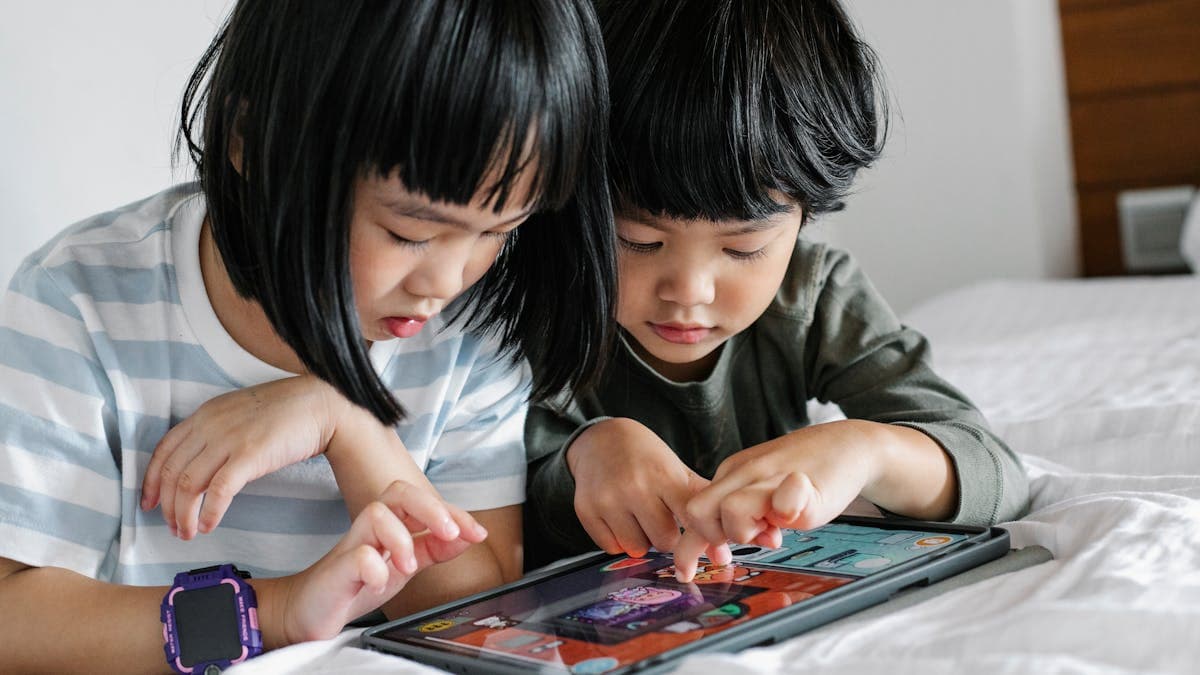
The Screen Time Reality Check
Let's start with the numbers, because they're eye-opening.
In Singapore, children aged 2 to 3 already spend an average of 2.5 hours a day on screens. By primary school, that number climbs further. And according to the Ministry of Health's latest guidelines, school-aged children should have no more than 2 hours of recreational screen time per day.
The government has taken this seriously. In early 2025, IMDA announced enhanced support for parents to foster healthy digital habits, and MOH published comprehensive guidance on screen use in children. The message is clear: this is a national priority.
But telling your child to "put down the iPad" rarely works on its own. What works is giving them something better to pick up.
Why This Matters Beyond the Numbers
Excessive screen time isn't just about sore eyes. Research links it to:
- Reduced attention span, as constant stimulation trains the brain to expect rapid reward
- Poorer sleep quality, especially from screens used before bedtime
- Less time for active play and reading, the activities that actually build cognitive skills
A 2025 MDDI study found that while most Singapore parents do guide their children's digital use, only 37% feel confident in their ability to manage it effectively. That's not a parenting failure. It's a design problem. Apps and games are engineered to be addictive. Books are not.
The Reading Gap
Here's the opportunity hidden in the screen time conversation: every minute shifted from passive scrolling to active reading compounds over time.
Reading builds vocabulary, comprehension, and critical thinking in ways that watching videos simply doesn't. And for primary school children, reading exposure is directly linked to academic performance, not just in English, but across subjects.
The challenge? Making reading feel as appealing as the screen.
Practical Strategies That Actually Work
1. Create a "Reading Swap" Routine
Instead of banning screens outright (which tends to backfire), try a swap: 20 minutes of reading earns 20 minutes of screen time. This isn't about punishment. It's about building a habit alongside one that already exists.
2. Make Reading Material Irresistible
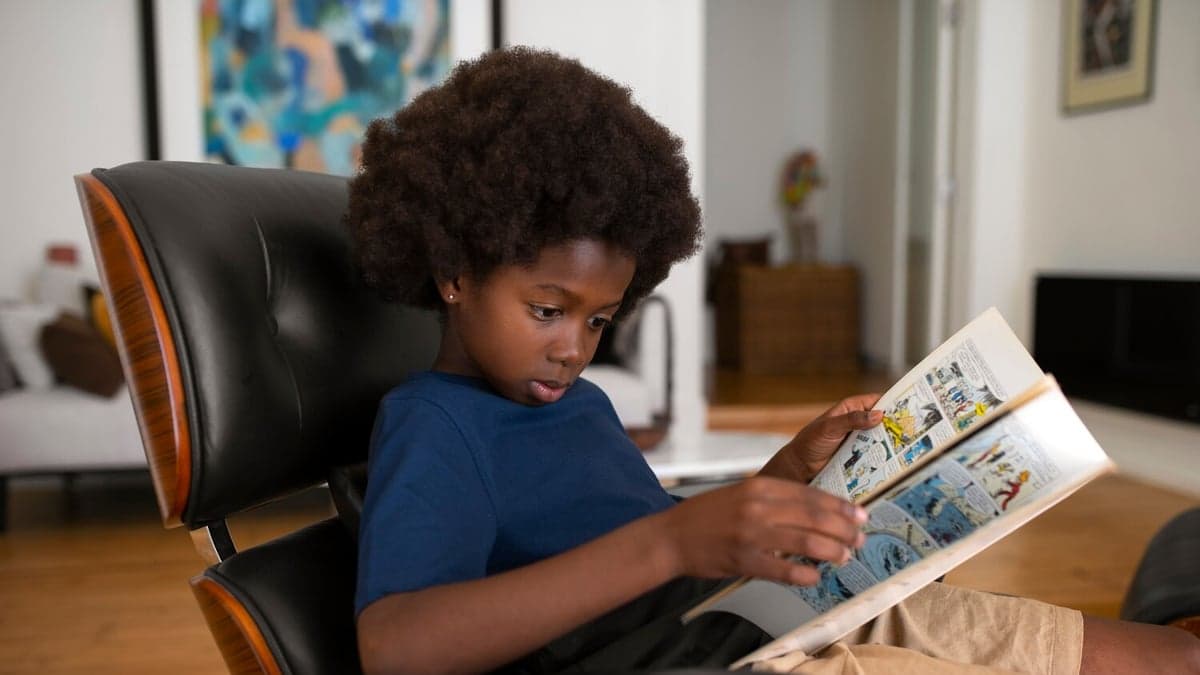
If your child gravitates toward screens because they're visual and exciting, give them reading material that competes. Comics, graphic novels, and illustrated magazines are designed to capture attention, and they build the same literacy skills as traditional books.
News comics, for example, combine the visual appeal kids love with real-world content that parents value. It's a format that bridges the gap between entertainment and education.
3. Set Up a Device-Free Zone
MOH recommends no screens during meals and one hour before bedtime. Use these as natural reading windows. A comic or magazine on the dinner table or bedside is a low-friction way to fill the gap.
4. Read Together
This sounds simple, but it's powerful. Parent-child reading time has been shown to make a real difference in children's development. Even 10 minutes of shared reading (discussing a story, laughing at a comic panel, debating a news topic) creates a positive association with reading that lasts.
5. Let Your Child Choose
Autonomy matters. Let your child pick what they read, even if it's "just" a comic. The habit of reading is more important than the genre. Once the habit is established, the range naturally expands.
A Note on "Educational" Screen Time
Not all screen time is equal. Educational apps and programmes can boost knowledge and literacy skills. But even the best educational screen time shouldn't crowd out reading, active play, and face-to-face interaction.
The distinction isn't "good screens vs bad screens." It's about balance. And reading, especially physical reading, offers cognitive benefits that screens can't fully replicate.
The Bottom Line
You don't need to wage a war on screens. You just need to make reading a visible, accessible, and enjoyable part of your child's day. Start small: a comic at breakfast, a magazine before bed, a 10-minute reading swap. Let the habit grow.
The screens aren't going anywhere. But neither is the power of a good story.
More from the blog

How to print a comic and read it with your child
Print a story from our sample PDF, take turns reading and talk about a favourite panel.
How to choose a comic for a child who avoids reading
Check the pictures, speech bubbles and vocabulary before buying a comic for a reluctant reader.