Why Comics Actually Help Your Child Read Better (Yes, Really)
Think comics are just junk food for the brain? Research says otherwise. Here's how illustrated stories build vocabulary, comprehension, and a love of reading.
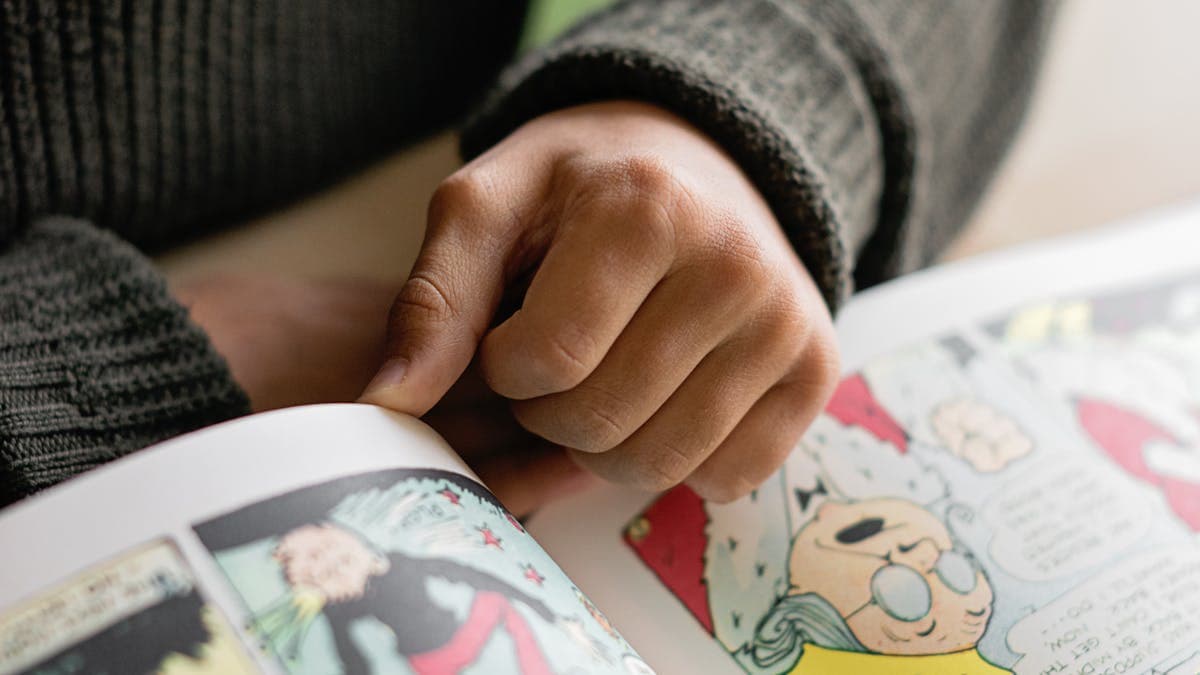
The "But It's Just a Comic" Myth
We've all heard it. Maybe you've even thought it yourself: "Comics aren't real reading."
It's one of the most persistent myths in children's literacy, and research has been quietly dismantling it for years. Studies from institutions like Portland State University and the American Association of School Librarians show that comics and graphic novels are not only legitimate reading material, they actively improve literacy outcomes.
So if your child would rather reach for a comic than a chapter book, that's not a problem to fix. It's a foundation to build on.
Comics Build Vocabulary in Context
One of the biggest advantages of comics is how naturally they teach new words. Unlike a dictionary definition, comics present vocabulary in context, surrounded by visual cues that help children decode meaning on their own.
Think about it: if a character says a word your child doesn't know, the illustration shows the character's expression, the setting, and the action. Your child is already doing the work of figuring out what that word means. That's active learning, and it sticks far better than rote memorisation.
Research from Dim Sum Warriors, a Singapore-based bilingual comic series, confirms that comics help children memorise new vocabulary within the right context through repeated visual-verbal associations.
Visual Literacy Is Literacy
Reading a comic isn't simpler than reading a novel. It's different. Comics require readers to:
- Decode text within speech bubbles
- Interpret facial expressions and body language
- Understand panel-to-panel transitions (cause and effect)
- Make inferences from what's shown but not said
This combination of visual and verbal processing actually makes comics a richer cognitive exercise than they appear. According to Edutopia, comics support metacognitive reading strategies, meaning they help children become more aware of how they process and understand what they read.
Comics Reach the Reluctant Reader
Here's where comics truly shine: they get reluctant readers reading.
If your child finds traditional chapter books intimidating (too many words, not enough to look at), comics offer a gentler on-ramp. The visuals reduce the cognitive load of decoding text, making the reading experience feel less like work and more like fun.
And once a child starts reading for enjoyment? They read more. And the more they read, the better they get. Research shows that children who read comics tend to read more frequently and for longer periods than those who don't.
From Comics to Confident Readers
Comics aren't a dead end. They're a gateway. Many children who start with comics naturally progress to graphic novels, then to chapter books, as their confidence and stamina grow. The skills transfer directly:
- Sequencing: understanding the order of events
- Inference: reading between the lines (and panels)
- Comprehension: grasping the main idea and supporting details
These are the same skills tested in school reading comprehension exercises and standardised assessments.
What This Means for You as a Parent
If your child loves comics, lean into it. Here's how:
- Don't limit comic time. Let it count as reading time.
- Discuss the stories together. Ask about characters, plot, and predictions.
- Introduce content-rich comics like news comics that combine current affairs with visual storytelling.
- Visit the library's graphic novel section. It's usually the most popular shelf for a reason.
The goal is to nurture a love of reading, full stop. The format matters far less than the habit.
The Bottom Line
Comics aren't a shortcut or a consolation prize. They're a proven, research-backed way to build vocabulary, comprehension, and reading confidence, especially for children aged 8 to 12.
So the next time someone raises an eyebrow at your child's reading choice, you can tell them: the science is on your side.
More from the blog
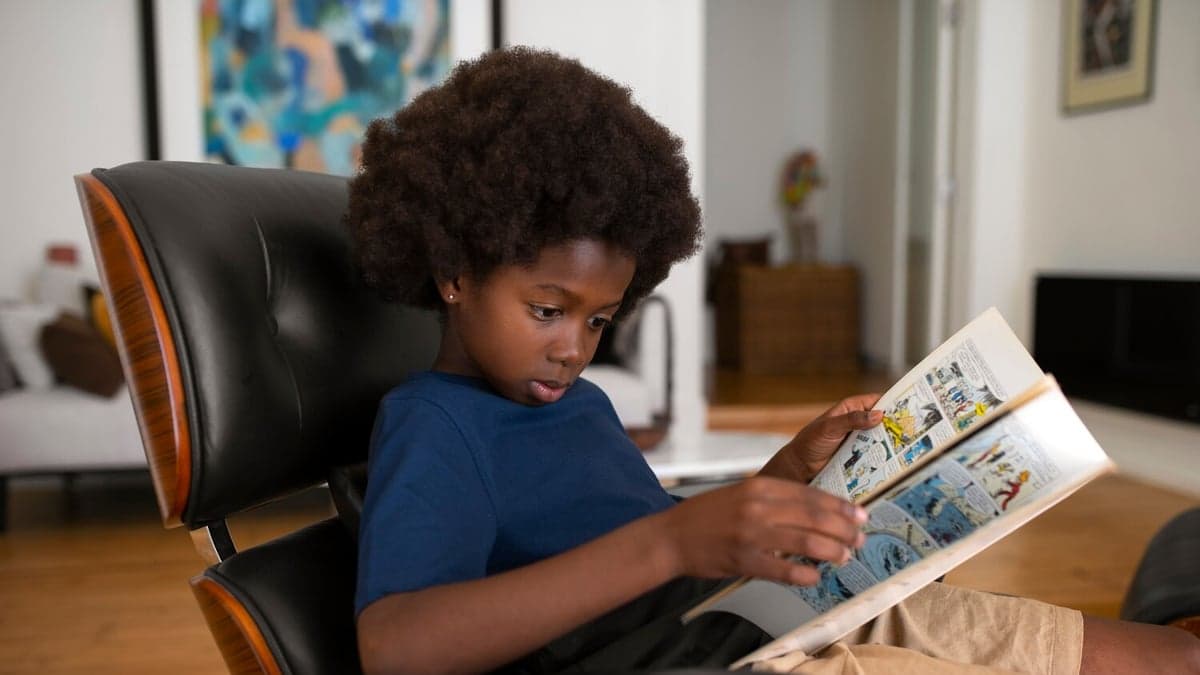
How to choose a comic for a child who avoids reading
Check the pictures, speech bubbles and vocabulary before buying a comic for a reluctant reader.

How to print a comic and read it with your child
Print a story from our sample PDF, take turns reading and talk about a favourite panel.